

Why Clean Indoor Air Matters More Than Ever
Spring is right around the corner! Welcome, longer days, warmer temperatures, and fresh air through open windows! We’ve missed you!
But spring also brings something less welcome: pollen, dust, and airborne particles that can easily find their way indoors….and these same unwelcome visitors can affect our sleep.
The Air You Breathe at Night Matters
Most people think about indoor air quality during the day, but it’s actually important at night, too. You’ve no doubt heard sleep experts emphasize quiet, darkness, and temperature as the keys to good rest. Well, the quality of the air in your bedroom is just as important.
According to the U.S. Environmental Protection Agency, Americans spend roughly 90% of their time indoors. Much of that time is spent at home—and about a third of it is spent sleeping.
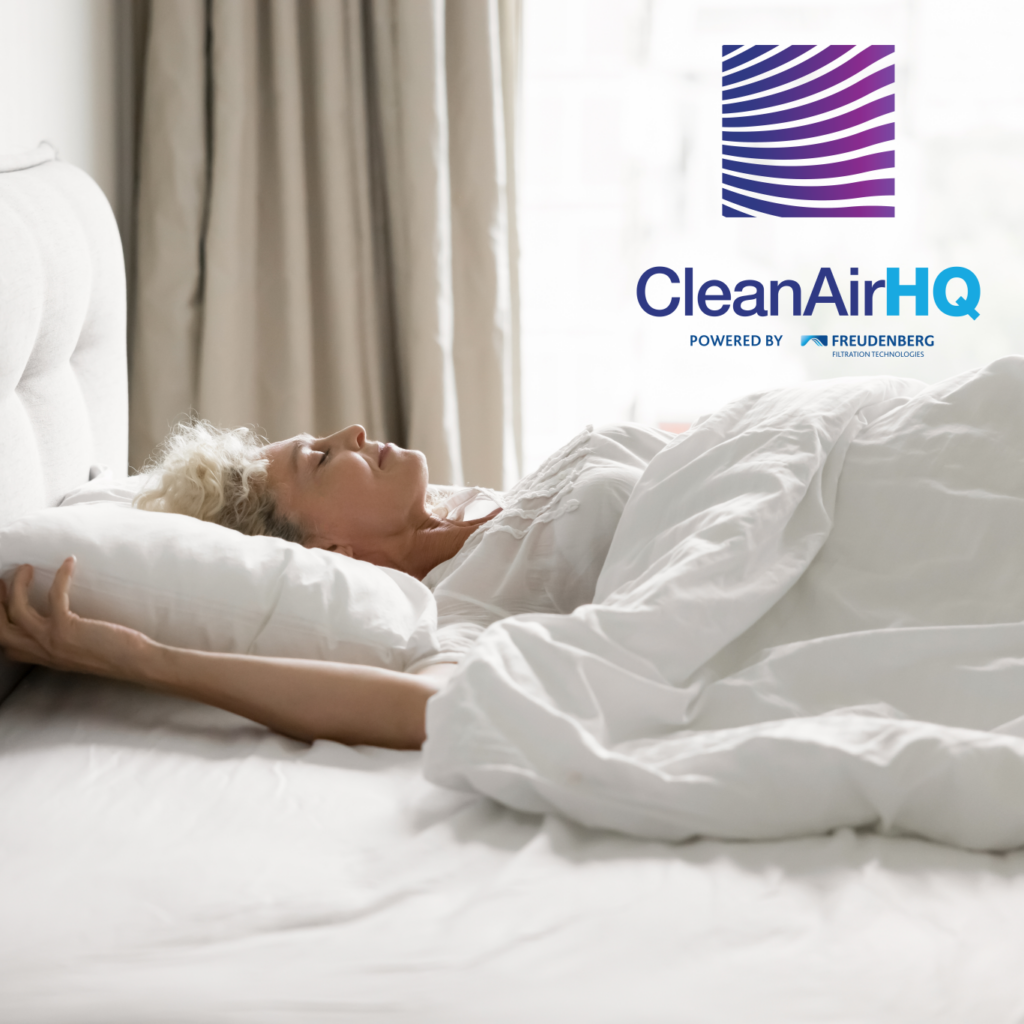
That means the air circulating through your home’s HVAC system is the same air you’re breathing for six, seven, or eight hours each night.
Spring Brings More Than Sunshine
During the spring months, outdoor pollen levels rise and windy conditions can carry particles indoors. After all, we’re leaving our windows open to let that fresh spring air in! But once inside, these particles circulate through your home unless they are properly captured by your air filtration system.
Common springtime indoor air challenges include:
- Tree and grass pollen entering through doors and windows
- Dust and particles stirred up by changing weather patterns
- Pet dander and other allergens that accumulate indoors
- Particles recirculated through HVAC systems without effective filtration
For people sensitive to allergens, or for anyone who values a good night’s rest, these particles can contribute to congestion, irritation, and disrupted sleep.
The Role of Air Filtration in Sleep Health
Fortunately, advancements in indoor air filtration have minimized the risk these particles carry. For example, a powerful step toward improving indoor air quality is regularly replacing your HVAC air filter. High-quality air filters help capture airborne particles before they circulate throughout your home. And replacing your air filter is super easy to do—you don’t need a professional.
Effective filtration can help:
- Reduce airborne allergens like pollen and dust
- Support cleaner air circulation throughout the home
- Improve overall indoor air quality
- Maintain HVAC system performance and efficiency
When filtration is working properly, the air in your home, including in your bedroom, can feel noticeably cleaner and more comfortable.
A Simple Spring Routine for Better Air
Spring is an ideal time to check your home’s air filtration. As part of seasonal home maintenance, consider:
- Checking your HVAC air filter and replacing it if needed
- Choosing a filter designed to capture common household allergens
- Establishing a regular filter replacement schedule
These small steps can make a meaningful difference in maintaining cleaner indoor air as pollen levels rise.
Cleaner Air, Better Rest
Spring is a time of renewal! And that includes renewing our efforts toward maintaining healthier indoor environments. By paying attention to the air inside your home, you can support better sleep and overall well-being throughout the season.
Clean indoor air may be invisible, but its impact is real. And sometimes, a better night’s sleep starts with something as simple as changing your air filter.